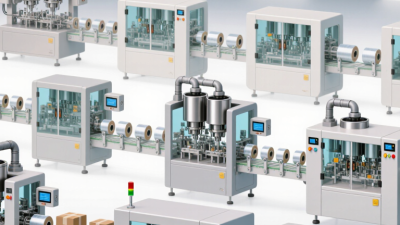
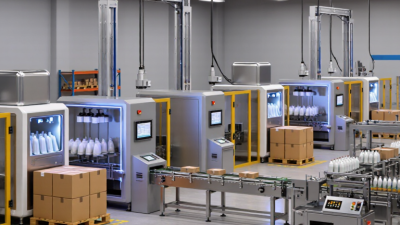
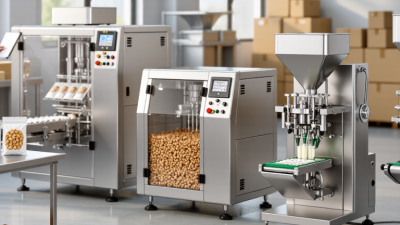
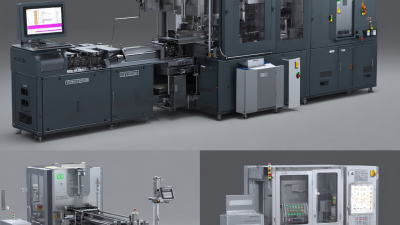
Why Choose an Automatic Packaging Machine?
An automatic packaging machine can turn a crowded packing table into a steadier, more predictable production line. It feeds, fills, seals, labels, or cartons products with less repetitive manual handling. The right system may improve throughput and consistency. It can also expose problems that were easy to miss by hand.
The market reflects growing investment in this technology. Fortune Business Insights reported that the global packaging machinery market was valued at approximately US$45.74 billion in 2023, with growth projected in the following years. This figure describes the wider machinery market, not guaranteed returns for an individual factory. PMMI, the Association for Packaging and Processing Technologies, also tracks automation, workforce constraints, and investment priorities across the industry. These reports offer context, but buyers still need to test claims against their own line speed, product mix, changeover time, and maintenance capacity.
PMMI president and CEO Jim Pittas has emphasized practical automation and the need to address real operational challenges. In paraphrase: “Choose automation to solve a measured production problem—not simply to add equipment.” That distinction matters. A machine that runs quickly on one package may struggle with another. A careful evaluation should include sample runs, operator training, cleaning access, and the cost of downtime. Small details count. A jammed label roll can stop a line. So can a changeover that takes longer than expected. Automation is not a cure-all; sometimes, the better first step is improving the process around the machine.
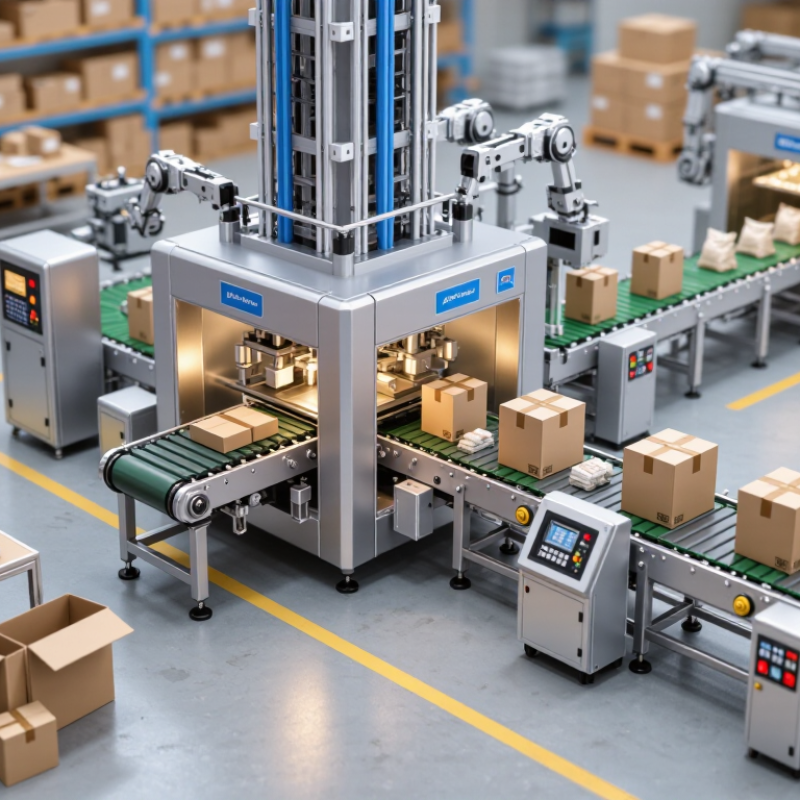
What Is an Automatic Packaging Machine?
An automatic packaging machine is equipment that performs one or more packaging tasks with limited hands-on intervention. Depending on its design, it may fill containers, seal pouches, apply labels, wrap products, or pack cartons. Sensors detect product position and container presence; controls coordinate movement and timing. Operators still load materials, inspect output, and respond to faults. Automation reduces repetitive handling, but it does not remove human oversight.
The term covers many different machines, not one standard setup. A compact filler may handle a single product, while a production line links filling, sealing, labeling, and case packing. On the floor, that can mean watching containers move along a conveyor as sensors pause the line when a cap is missing. Changeovers matter too: a machine that runs quickly but takes hours to adjust may not suit frequent product switches. The distinction matters.
Automation is part of a broader industrial shift. The International Federation of Robotics reported 4,281,585 industrial robots operating worldwide in 2023, a 10% increase from 2022, in its World Robotics 2024 report. This figure covers all industries, not packaging machines alone. It provides context, not a packaging-specific adoption rate. Real performance depends on product shape, package material, line speed, and maintenance. And the fit is not always obvious. A careful review of daily volumes and changeovers can reveal whether automation solves a genuine bottleneck.
What Benefits Do Automatic Packaging Machines Offer?
Automatic packaging machines can improve output consistency by controlling filling, sealing, labeling, and case forming. A well-adjusted line places each pouch or carton in the same position, reducing uneven seals and manual rework. It can also handle repetitive lifting and movements, leaving operators to monitor quality, replenish materials, and respond to faults. That matters.
The scale of industrial automation is growing. The International Federation of Robotics reported 541,302 industrial robot installations worldwide in 2023 in its World Robotics 2024 report. These figures cover many industries, not packaging alone, but they show broader investment in automated production.
McKinsey Global Institute’s 2017 report, A Future That Works, estimated automation could add 0.8 to 1.4 percentage points to annual global productivity growth. That is a broad estimate, not a guaranteed result for one factory.
For packaging teams, practical gains may include steadier throughput, more repeatable pack weights, and clearer production records. Sensors can flag a misaligned label before a whole batch moves downstream. Still, automation is not magic. Changeovers can take time, and poorly planned maintenance can stop the line. A machine also needs to suit the actual product, packaging material, and daily production volume. Sometimes a simpler setup works better.
Which Industries Use Automatic Packaging Machines?
Food and beverage producers use automatic packaging machines for bottles, trays, pouches, and cartons. A bakery may seal warm bread in flow-wrap film while keeping the line moving at a steady pace. Dairy and beverage facilities often need cleanable equipment and consistent filling. Small details matter. A loose seal can spoil an otherwise good batch.
Cosmetics and personal-care manufacturers package creams, shampoos, and soaps in jars, tubes, and bottles. Automatic filling and capping can help keep product levels consistent across large runs. Pharmaceutical manufacturers also use automated systems for cartons, blister packs, and labels. Here, clear batch information and careful inspection are important. The right setup depends on the product and the packaging process.
Household-product makers package detergents, cleaners, and other liquids, while agricultural suppliers may bag seeds or dry materials. Warehouses and online retailers use case erectors and packing systems to prepare varied orders. Not every line needs full automation. Changeovers, cleaning, and operator training take time, and those costs can be easy to underestimate. A machine may also make a weak process faster, rather than fix it. Before choosing one, teams should check product formats, daily output, available floor space, and how often packaging designs change.
Why Choose an Automatic Packaging Machine?
Automatic packaging machines help businesses maintain consistent output, reduce repetitive manual work, and scale production across industries.
The chart shows indicative throughput ranges for commercial equipment: beverage bottling, food pouch filling, pharmaceutical blister packaging, and consumer-goods cartoning. These are equipment ranges, not industry averages; actual speeds depend on the machine, product, package, and line setup. Units differ by package format.
What Should You Consider When Choosing a Machine?
Choosing an automatic packaging machine starts with the product, not the advertised speed. Note its texture, weight, temperature, and sensitivity to moisture. A free-flowing grain behaves differently from sticky powder or fragile snacks. Ask how much variation the product can tolerate. Small changes in fill weight may matter more than a fast cycle.
Then compare the machine’s realistic output with your busiest production periods. Speed is not everything. Check package sizes, changeover time, sealing quality, and the space needed for operators to load materials. If you switch formats daily, complicated adjustments can quietly reduce output. Request a trial using your actual product and packaging film, not a similar sample. Watch several cycles, including startup and product changeover.
Consider cleaning, maintenance, and operator training before choosing a configuration. Ask how often contact parts need removal and whether routine checks require special tools. A machine that is difficult to clean may spend more time idle than expected. Also inspect how it connects with scales, conveyors, and existing lines. These details are easy to overlook on a sales floor. A spreadsheet can help, but its assumptions may be wrong. Record actual labor, material waste, and downtime during a test run. Which task causes the most delays on your current line?